Connections between nature and daily life
Explore volcanic rocks and ecological exhibits alongside tools used by Jeju's people in the past.
Jeju City and the north · Indoor exhibitions
The Folklore & Natural History Museum brings Jeju's natural environment and everyday traditions together in one place. Explore the background to its volcanic hills, caves and gotjawal forests, along with tools used in the past. A visit to nearby Samseonghyeol lets you combine indoor exhibitions with a walk around a historic site.
Travel planning at a glance
The Folklore & Natural History Museum is an indoor attraction with exhibitions on natural history, folklore and Jeju's sea. Official information lists opening hours of 09:00–18:00, ticket sales until 17:30 and individual adult admission of KRW 2,000 for visitors from outside Jeju. Closures include Mondays and traditional holidays. The suggested 1.5–2 hours is an editorial estimate; a visit to Samseonghyeol is separate.
Folklore & Natural History Museum
Operating and access information is based on the official sources below. Recommended routes and visit durations are editorial suggestions. Check each place's description to see whether waiting, meals and similar time are included, and allow separate time for travel between places.
VisitJeju · Folklore & Natural History Museum ↗ · Checked
Folklore & Natural History Museum: visitor information ↗ · Checked
The Folklore & Natural History Museum explores both the volcanic island's natural environment and the everyday lives of Jeju's people. The natural history displays include rocks, volcanic material, and plant and animal specimens; the folklore displays cover homes, work, and objects used for clothing, food and shelter. Visiting on your first day can help you understand the landscapes you later encounter on volcanic hills and along the coast.
Objects such as mulheobeok water jars, aegigudeok baby baskets, galot clothing and tewoo rafts show how life on Jeju differed from mainland Korea. There are also marine exhibitions and outdoor displays of stone objects and rocks, so check the exhibition map and choose what interests you first. Follow the operator's information on permanent exhibition names and layouts, and do not assume that a particular temporary exhibition or film is always available.
Explore volcanic rocks and ecological exhibits alongside tools used by Jeju's people in the past.
Compare the shapes and uses of mulheobeok water jars, aegigudeok baby baskets and tewoo rafts.
VisitJeju · Folklore & Natural History Museum ↗ · Checked
Folklore & Natural History Museum: visitor information ↗ · Checked
Official visitor information lists opening hours of 09:00–18:00, with ticket sales until 17:30. Individual adult admission is KRW 2,000 for visitors from outside Jeju and KRW 1,000 for Jeju residents. Fees vary by age, residency and concession eligibility. Check the required proof for exemptions, including those for visitors aged 12 or under and 65 or over. The museum closes on Mondays, with exceptions for public holidays, and on 1 January, Seollal, Chuseok and fumigation periods in the first and second halves of the year.
As an editorial planning estimate, allow 1.5–2 hours and start with whichever interests you more: natural history or folklore. The operator lists regular guided tours at 10:00, 11:00, 13:00, 14:00, 15:00 and 16:00, lasting around 60 minutes each. Tours booked in advance require a separate application. Plan around the tour start time, and recheck notices about temporary works, closures and guide availability before visiting.
Folklore & Natural History Museum: visitor information ↗ · Checked
With children, look at the materials and shapes of water-carrying tools and traditional boats, then compare them with everyday objects used today. Discussing the difference between models and actual specimens can also help distinguish Jeju myths from natural phenomena. Activity programmes have different arrangements from self-guided exhibition visits, so check whether you can join on the day.
The mainly indoor exhibitions make this an option for a rainy day, but weather affects the outdoor garden and stone and rock displays. Choose a theme and explore at a relaxed pace rather than arriving near closing time and trying to see everything. If standing for long periods is difficult, plan breaks around guided tour times and follow on-site photography and access instructions.
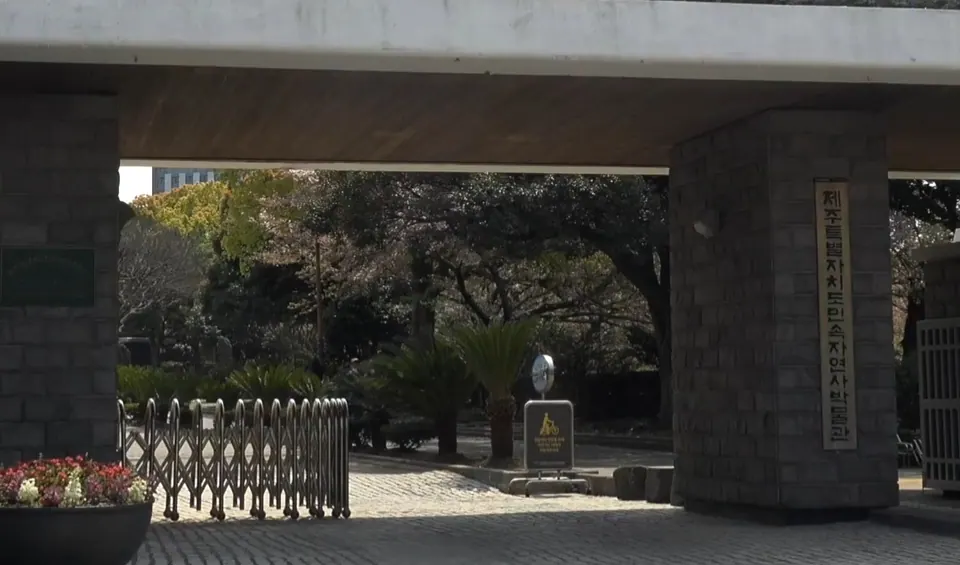
Set your destination to the Folklore & Natural History Museum entrance on Samseong-ro. The operator lists parking charges separately from admission, so free admission does not automatically mean free parking. If travelling by bus, check the walk from your stop to the entrance and the onward walk to Samseonghyeol on a map.
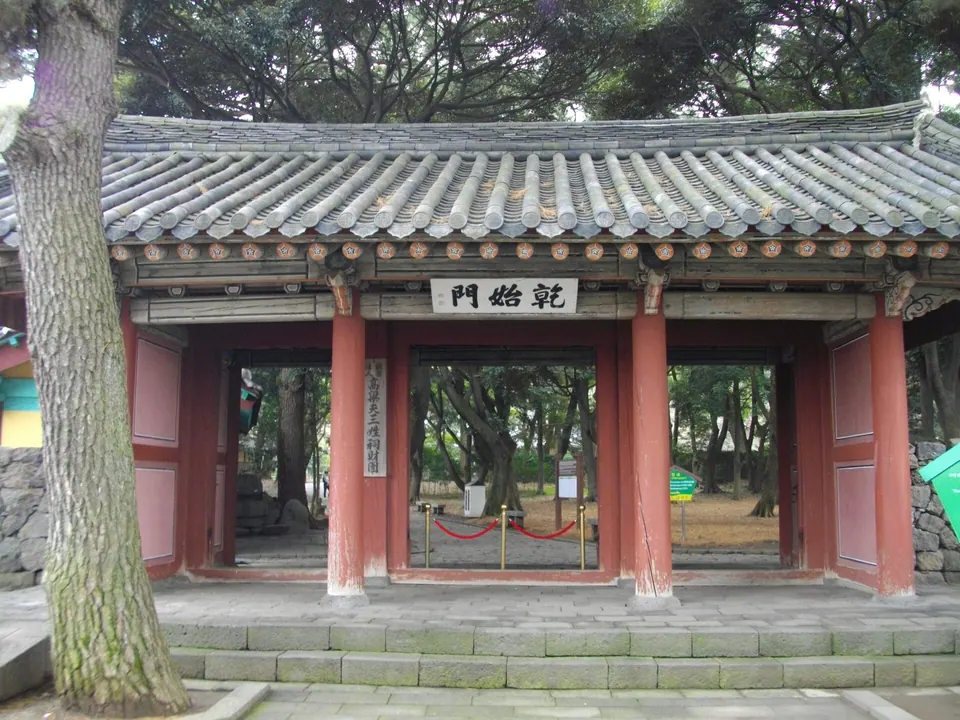
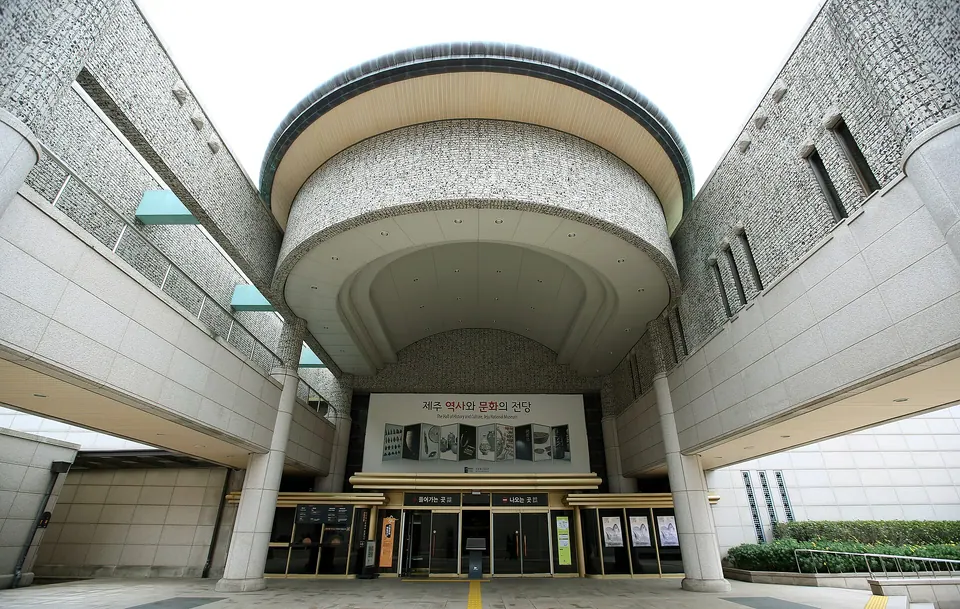
Samseonghyeol is a separate nearby historic site with founding myths, trees and exhibitions. When rain is frequent, our suggested order is to see the indoor museum displays first, then add a walk around the historic site as the weather allows. When choosing between this museum and Jeju National Museum, consider your interests: geology, ecology and everyday traditions here, or archaeology and history at the national museum.
Visitor location · 제주특별자치도 제주시 삼성로 40
Folklore & Natural History Museum: visitor information ↗ · Checked
VisitJeju · Folklore & Natural History Museum ↗ · Checked
After the museum exhibitions, continue to nearby Samseonghyeol for Tamna mythology and a walk around a historic site.
Visitor guide →If archaeology and history interest you more, consider Jeju National Museum for a separate visit.
Visitor guide →The Folklore & Natural History Museum explores both the volcanic island's natural environment and the everyday lives of Jeju's people. The natural history displays include rocks, volcanic material, and plant and animal specimens; the folklore displays cover homes, work, and objects used for clothing, food and shelter. Visiting on your first day can help you understand the landscapes you later encounter on volcanic hills and along the coast.
Official visitor information lists opening hours of 09:00–18:00, with ticket sales until 17:30. Individual adult admission is KRW 2,000 for visitors from outside Jeju and KRW 1,000 for Jeju residents. Fees vary by age, residency and concession eligibility. Check the required proof for exemptions, including those for visitors aged 12 or under and 65 or over. The museum closes on Mondays, with exceptions for public holidays, and on 1 January, Seollal, Chuseok and fumigation periods in the first and second halves of the year.
As an editorial planning estimate, allow 1.5–2 hours and start with whichever interests you more: natural history or folklore. The operator lists regular guided tours at 10:00, 11:00, 13:00, 14:00, 15:00 and 16:00, lasting around 60 minutes each. Tours booked in advance require a separate application. Plan around the tour start time, and recheck notices about temporary works, closures and guide availability before visiting.
Set your destination to the Folklore & Natural History Museum entrance on Samseong-ro. The operator lists parking charges separately from admission, so free admission does not automatically mean free parking. If travelling by bus, check the walk from your stop to the entrance and the onward walk to Samseonghyeol on a map.