Seopjikoji
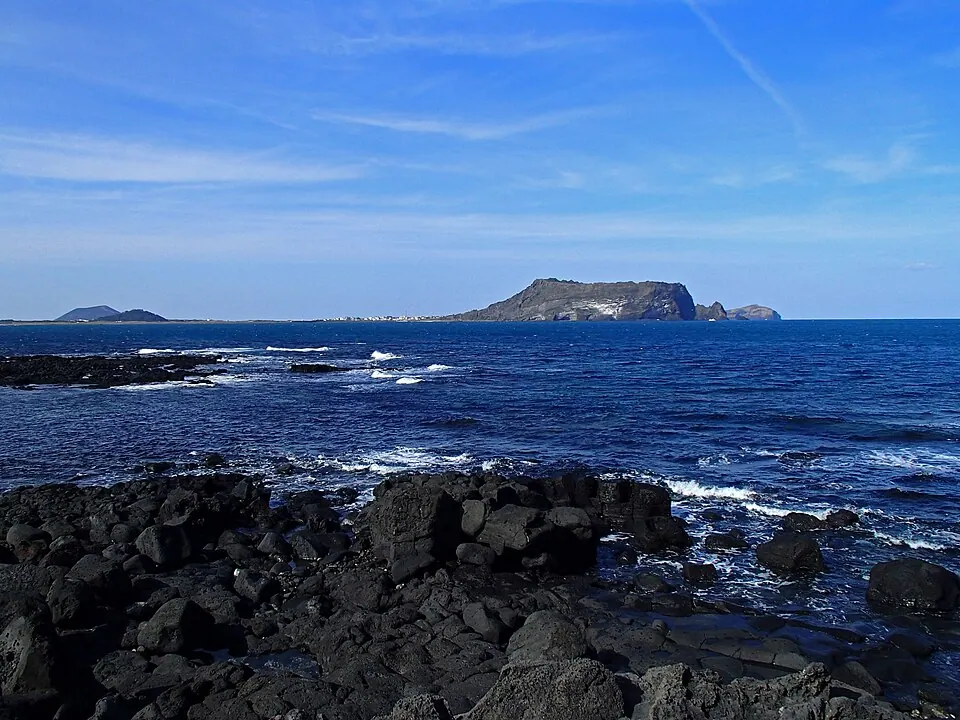
An option for comparing Sinsan’s defensive heritage with the eastern coastal terrain.
Visitor guide →East · Culture and history
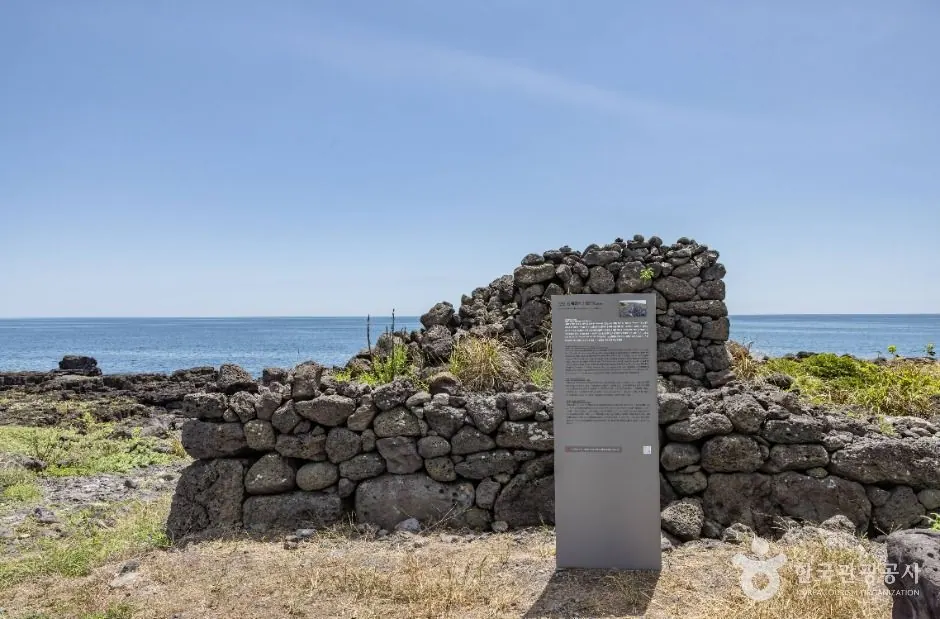
Shinsan Hwanhae Jangseong is a historic defensive wall built of basalt along the coasts of Sinsan-ri and Sinpung-ri. From public paths, explore the relationship between the coastal terrain and its defenses.
Travel planning at a glance
Shinsan Hwanhae Jangseong is a coastal wall built to defend against incursions from the sea. Allow 30–45 minutes to view the historic remains; do not climb onto the wall as if it were a walking route or go down onto the coastal rocks. Shorten the visit when waves are high.
Operating and access information is based on the official sources below. Recommended routes and visit durations are editorial suggestions. Check each place's description to see whether waiting, meals and similar time are included, and allow separate time for travel between places.
Shinsan Hwanhae Jangseong · Jeju Tourism Organization ↗ · Checked
Hwanhae Jangseong was built along Jeju’s coast to guard against incursions. Observing the relative positions of the sea and stone wall in the Sinsan section helps explain its coastal defense purpose.
The wall is described as having undergone repairs and extensions in different periods. Read the historical explanation alongside the surviving remains without assuming that every visible stone was laid at the same time.
Shinsan Hwanhae Jangseong · Jeju Tourism Organization ↗ · Checked
The suggested 30–45 minutes is an editorial estimate for viewing the wall and information signs from public paths. It covers a different distance from a full Olle trail or a long coastal walk.
Follow paths where access is permitted rather than using the wall itself as a walking route. Shorten sections near the sea in high waves or strong winds, and choose another stop if access is restricted.
Shinsan Hwanhae Jangseong · Jeju Tourism Organization ↗ · Checked
With children, compare the uses of field walls, house walls and defensive walls. Discussing why stones were stacked along the coast, rather than just their height or shape, helps explain another role of stone in Jeju’s culture.
Do not move stones from the heritage site or climb on the wall for photos. Distinguish surrounding pastures, fields and private property from visitor areas, and do not take shortcuts down to the seaside rocks.
Shinsan Hwanhae Jangseong · Jeju Tourism Organization ↗ · Checked
The main address is 성산읍 환해장성로 201. Check the publicly accessible entry point within the extensive coastal site, and watch for traffic and parking locations along the coastal road.
Seopjikoji is an option for exploring another eastern coastal landscape. Choosing Pyoseon Beach continues your journey south, combining a heritage visit with relaxation at the beach.
Visitor location · 제주특별자치도 서귀포시 성산읍 환해장성로 201
환해장성로 201 is the main address for this section of the historic wall. Check public entry points, parking and traffic on-site.
Location reference ↗Shinsan Hwanhae Jangseong · Jeju Tourism Organization ↗ · Checked
An option for comparing Sinsan’s defensive heritage with the eastern coastal terrain.
Visitor guide →Continue from coastal heritage viewing to relaxation at Pyoseon Beach.
Visitor guide →It is a section of the stone walls built along Jeju’s coast to defend against incursions from the sea.
The wall is not presented as a walking route. Observe it from paths open to visitors, and do not damage or climb on the stones.
Allow 30–45 minutes for a short look at the publicly accessible section. Plan a longer coastal walk with a separate route and time allowance.
Follow the day’s restrictions and reduce time spent close to the sea. Do not go down onto coastal rocks to view the wall.