Jeju Haenyeo Museum
Combine coastal wetland ecology with haenyeo living culture.
Visitor guide →East · Coastal walks
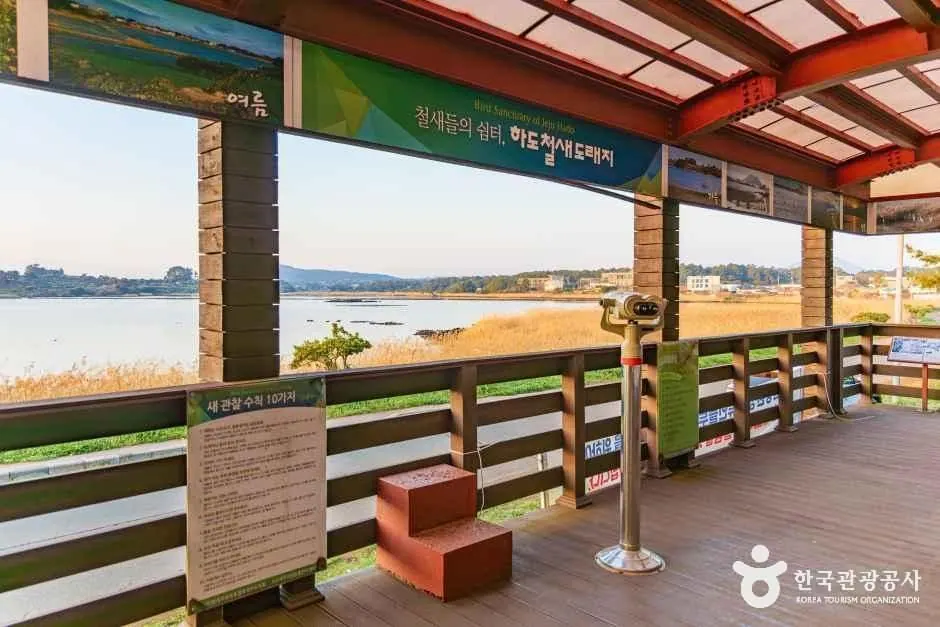
The Hadori migratory bird habitat is a coastal wetland where fresh water and seawater mix, with birds and reeds to observe. Visit quietly along public birdwatching routes outside the protected areas.
Travel planning at a glance
Observe wetland birds, reeds and water at Hadori Migratory Bird Habitat from public areas. Allow 30–45 minutes without expecting particular migratory birds. Do not enter wetlands, feed birds or approach them for photographs.
Operating and access information is based on the official sources below. Recommended routes and visit durations are editorial suggestions. Check each place's description to see whether waiting, meals and similar time are included, and allow separate time for travel between places.
Hadori migratory bird habitat · Jeju Tourism Organization ↗ · Checked
Hadori Migratory Bird Habitat combines sea between embankments, coastal wetlands and reeds. Observe from afar how wetlands provide food and shelter.
The site is known for wintering migratory birds, but species and numbers vary by date. Choose quiet appreciation of current nature rather than guaranteed sightings of rare birds.
Hadori migratory bird habitat · Jeju Tourism Organization ↗ · Checked
The suggested 30–45 minutes covers short observation from public birdwatching areas. Binoculars help view birds from afar; shorten visits in strong winds.
Check protected boundaries and actual open paths first. Do not enter wetlands seeking birds. Follow any wild-bird biosecurity and access restrictions as a priority.
Hadori migratory bird habitat · Jeju Tourism Organization ↗ · Checked
With children, observe distant bird movements, reeds and water. Reduce loud noises and sudden movements without feeding or chasing birds.
Telephoto photography does not justify crossing protective boundaries or approaching birds. Check on-site restrictions for drones, pets and other potentially disturbing activities, prioritizing quiet observation.
Hadori migratory bird habitat · Jeju Tourism Organization ↗ · Checked
The representative parcel is 구좌읍 하도리 53-2. Distinguish wetland interiors from public birdwatching entrances, using maps and on-site guidance to find the exact visitor point.
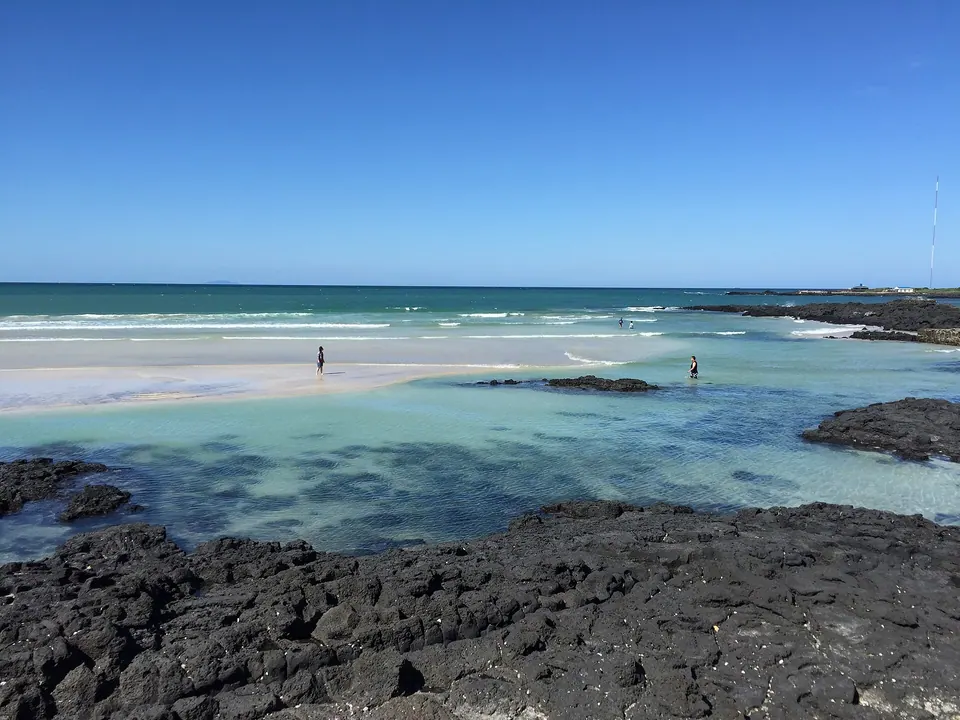
Haenyeo Museum connects coastal ecology with local lives. Sehwa Beach adds a short rest; move quietly to another setting after bird observation.
Visitor location · 제주특별자치도 제주시 구좌읍 하도리 53-2
하도리 53-2 is a representative parcel for the broad wetland. Find the public birdwatching entrance and parking rather than entering the wetland itself.
Location reference ↗Hadori migratory bird habitat · Jeju Tourism Organization ↗ · Checked
Combine coastal wetland ecology with haenyeo living culture.
Visitor guide →An option for Sehwa coastal rest after quiet Hado birdwatching.
Visitor guide →Various wintering migratory birds are described, but particular species or numbers are not guaranteed. Follow current natural conditions and on-site guidance.
Respect protective boundaries and public birdwatching routes. Do not enter wetlands or chase birds for photographs.
Do not throw food or disturb birds. Follow quiet-observation and conservation guidance.
Allow 30–45 minutes in public observation areas, adjusting for wind, biosecurity and access restrictions.