Red and white pony-shaped lighthouses
See the contrasting colors of the two lighthouses from a safe beach viewpoint.
Jeju City and the north · Beaches
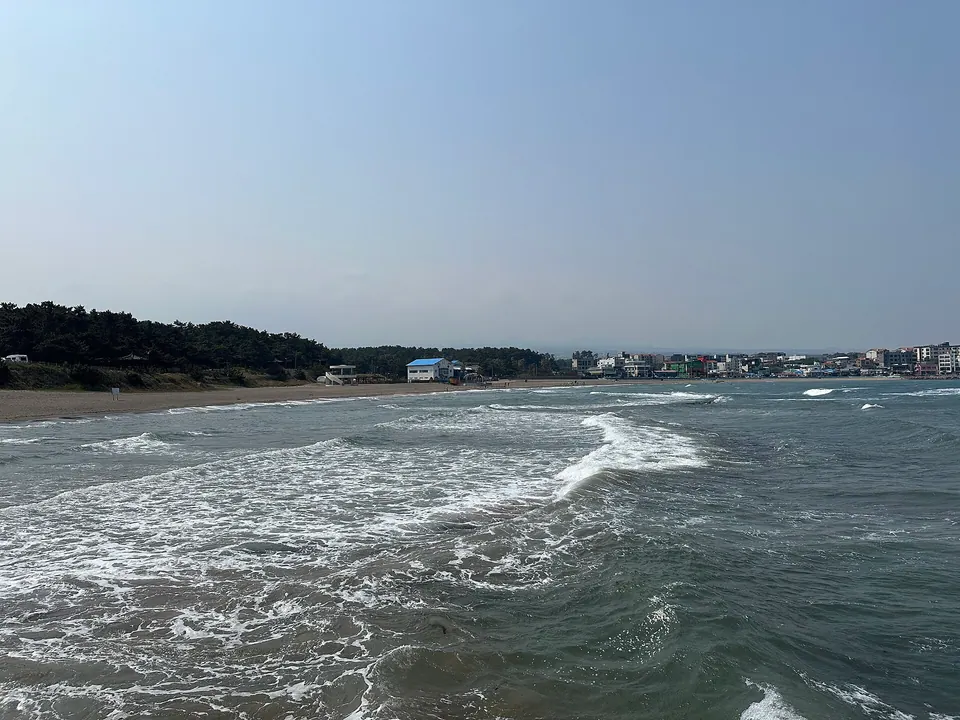
Iho Tewoo Beach, near central Jeju City, is known for its red and white pony-shaped lighthouses. Along with taking lighthouse photos, look for the wondam, a stone fish trap exposed at low tide, for a glimpse of Jeju's traditional fishing practices.
Travel planning at a glance
Iho Tewoo Beach's sights include horse-shaped lighthouses, a sandy beach and a restored stone fish trap. The suggested 45–90 minutes is an editorial estimate for a walk, not swimming hours. Check beach opening and safety supervision for swimming, and separately check the rules for pet walks and pets entering designated swimming areas.
Iho Tewoo Beach
Operating and access information is based on the official sources below. Recommended routes and visit durations are editorial suggestions. Check each place's description to see whether waiting, meals and similar time are included, and allow separate time for travel between places.
VisitJeju · Iho Tewoo Beach ↗ · Checked
Iho Tewoo Beach's most striking sights are its red and white pony-shaped lighthouses. Their colors stand out against the sea in photographs, but the view from the beach differs from the view toward the harbor. From the sand and safe walking areas, compare how the two lighthouses line up.
At low tide, the sandy beach widens and Iho Mosalwon, a restored wondam stone fish trap, is exposed. Wondam are traditional Jeju fishing structures that use the rise and fall of the tide. This does not mean fishing experiences are always available; view it as a feature of coastal heritage that you can observe when the tide recedes.
See the contrasting colors of the two lighthouses from a safe beach viewpoint.
The restored Iho Mosalwon shows the connection between the tides and Jeju's fishing traditions.
VisitJeju · Iho Tewoo Beach ↗ · Checked
As an editorial planning estimate, allow 45–90 minutes for a beach walk and photos of the horse-shaped lighthouses. You can add time for walking on the sand, a café stop or a meal. To see the wondam stone fish trap, check the tides for your visit date first. For sunset photos, choose your viewpoint before the sun goes down.
You do not need to reach the end of the breakwater to get good photos of the horse-shaped lighthouses. When waves are high, view them from the sand or walking areas on land. If staying for night views, check your return transport and lit paths in advance, and avoid entering the stone fish trap or coastal rocks in the dark.
VisitJeju · Iho Tewoo Beach ↗ · Checked
Walking on the beach and swimming in the sea have different conditions of access. Before deciding to enter the water, check the official beach season, lifeguard coverage, designated swimming areas and on-site restrictions. Low tide and apparently shallow water are not automatic reasons to swim. When swimming is not supervised, focus your visit on photos and walks along the sand.
Official visitor information states that pets entering the water are restricted in designated swimming areas during the official beach season. Access with pets may also change with local conditions. Even when walking on the beach together, keep your dog on a leash, clean up after it and respect other visitors' space. Permission to walk a dog does not mean permission for it to enter the sea.
VisitJeju · Iho Tewoo Beach ↗ · Checked
Set Iho Tewoo Beach as your destination. Searching only for the horse-shaped lighthouses may direct you along a different route from the beach entrance. Check the sandy beach, parking entrance and walking routes together on a map. Official visitor information lists facilities such as parking and changing rooms, but seasonal opening and charges for each facility need to be checked on the day.
If driving along the north coast, Dodubong Peak and the Yongdam coast make natural additions. Dodubong offers elevated coastal views, while Iho Tewoo has level scenery close to the sea. On your last day, plan separately for going directly from the beach to the airport and for reaching your rental car return location.
Visitor location · 제주특별자치도 제주시 도리로 20
VisitJeju · Iho Tewoo Beach ↗ · Checked
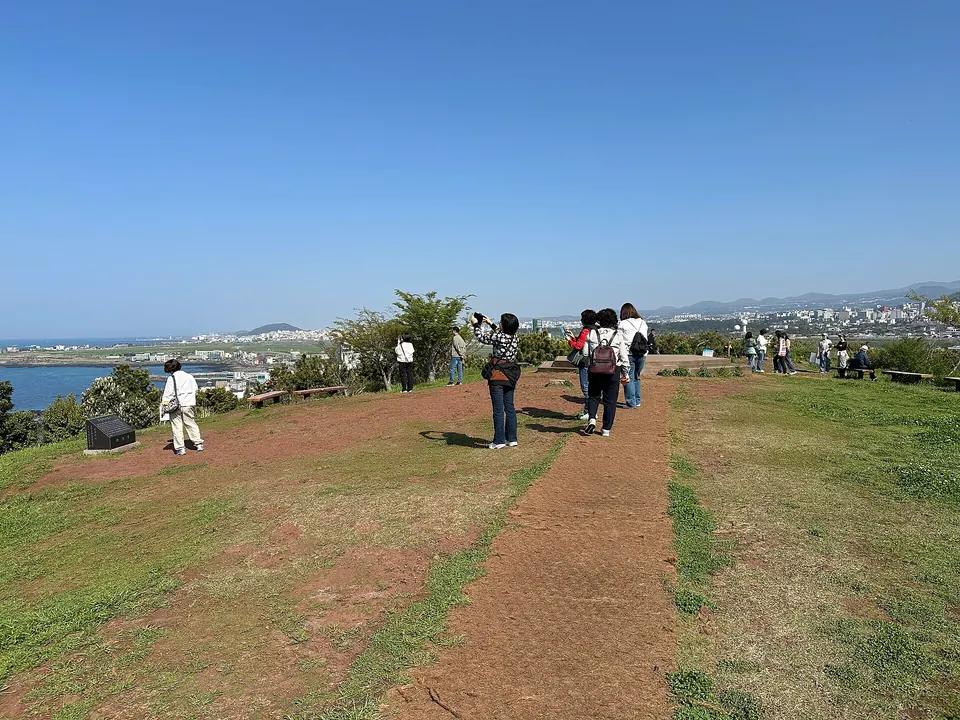
Take in elevated views of the airport and northern sea from Dodubong, then continue with a level beach walk.
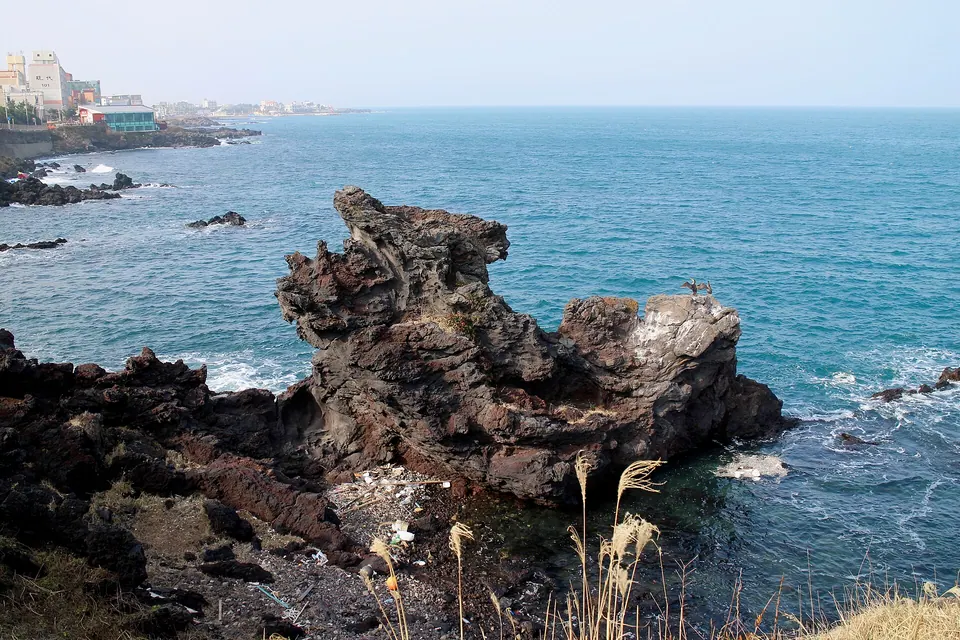
Visitor guide →Continue toward Yongdam Coastal Road to include the volcanic rock scenery at Yongduam Rock.
Visitor guide →At low tide, the sandy beach widens and Iho Mosalwon, a restored wondam stone fish trap, is exposed. Wondam are traditional Jeju fishing structures that use the rise and fall of the tide. This does not mean fishing experiences are always available; view it as a feature of coastal heritage that you can observe when the tide recedes.
As an editorial planning estimate, allow 45–90 minutes for a beach walk and photos of the horse-shaped lighthouses. You can add time for walking on the sand, a café stop or a meal. To see the wondam stone fish trap, check the tides for your visit date first. For sunset photos, choose your viewpoint before the sun goes down.
Walking on the beach and swimming in the sea have different conditions of access. Before deciding to enter the water, check the official beach season, lifeguard coverage, designated swimming areas and on-site restrictions. Low tide and apparently shallow water are not automatic reasons to swim. When swimming is not supervised, focus your visit on photos and walks along the sand.
Official visitor information states that pets entering the water are restricted in designated swimming areas during the official beach season. Access with pets may also change with local conditions. Even when walking on the beach together, keep your dog on a leash, clean up after it and respect other visitors' space. Permission to walk a dog does not mean permission for it to enter the sea.