The varied forms of nutmeg trees
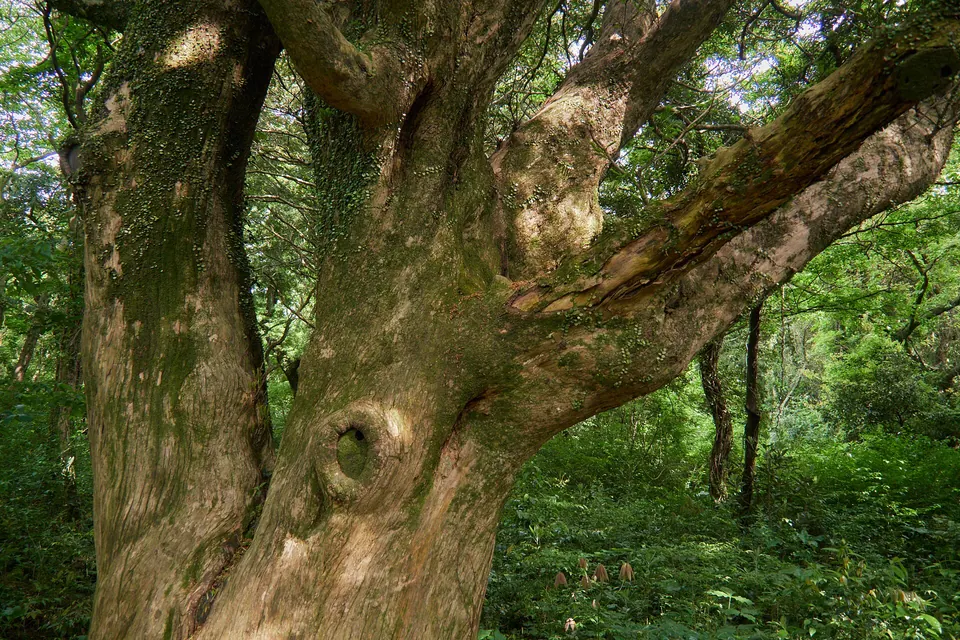
Compare the thickness, trunks and shade of the old trees.
East · Forests and gotjawal
Bijarim is a forest in Gujwa where you can observe old nutmeg trees and warm-temperate plants. Choose between gentle Route A and Route B, which includes stony paths, and take your time around the New Millennium nutmeg tree and joined trees.
Travel planning at a glance
Bijarim is a forest of nutmeg trees aged 500–800 years, with Routes A and B. Official information lists Route A as about 2.2km and 40 minutes to 1 hour; allow 1–1.5 hours for the whole visit as an editorial estimate. Consider Route A first with a stroller or wheelchair, but help may be needed on some slopes.
Bijarim Forest
Operating and access information is based on the official sources below. Recommended routes and visit durations are editorial suggestions. Check each place's description to see whether waiting, meals and similar time are included, and allow separate time for travel between places.
VisitJeju · Bijarim Forest ↗ · Checked
Bijarim is home to naturally growing nutmeg trees aged 500–800 years, with large trunks of varied thicknesses and shapes. Think of it as a forest where maples, Machilus trees and warm-temperate plants grow together, rather than a garden containing only nutmeg trees. Look at the tree names, trunks and the plants growing beneath them.
The New Millennium nutmeg tree and joined trees deeper in the forest connect with both visitor routes. Choose places to linger and observe among trees that may initially look alike. If your aim is relaxation in the forest, include time to listen to its sounds beneath the canopy rather than quickly moving between photo spots.
Compare the thickness, trunks and shade of the old trees.
Find them on the route map and plan a walk suited to your companions.
VisitJeju · Bijarim Forest ↗ · Checked
Official information describes Route A as about 2.2km, taking 40 minutes to 1 hour, while Route B includes somewhat rough stone paths. For the whole visit, allow 1–1.5 hours including photos and breaks as an editorial estimate. The routes divide at a crossroads in the forest, so check the entrance map first and choose according to your companions’ energy and return time.
We suggest starting with Route A, with anyone wanting a longer walk checking Route B’s surfaces and distance. Forest interpretation can help you understand the plants and local stories, but operating hours and sessions may change. Check admission fees, the ticketing deadline and interpretation services for the day before visiting.
VisitJeju · Bijarim Forest ↗ · Checked
Official information recommends Route A for visitors with strollers or wheelchairs and for pregnant visitors, while noting that help from a companion may be needed on some slopes. Access information is not a guarantee that every section is completely level. You can focus on the New Millennium nutmeg tree and joined trees without adding Route B’s stone paths.
After rain, check for wet volcanic scoria and stone paths, and wear shoes with good grip. Do not collect protected plants or leave the marked trails. Check official guidance and on-site signs for forest conservation rules, including food and pets, and respect the space of others enjoying a quiet walk.
VisitJeju · Bijarim Forest ↗ · Checked
Confirm the visitor entrance to Bijarim Forest as your destination. Bijarim-ro is also a road name, so a search for the road does not necessarily lead to the forest ticket office. If using buses, check your stop, the walk to the entrance and the frequency of services to your next destination. Plan the return journey to avoid long waits in the uplands.
Combine Bijarim with Sehwa Beach or the Haenyeo Museum to connect the upland forest with everyday culture on the Gujwa coast. Darangswi Oreum adds elevated crater views, but a steep climb after a forest walk calls for enough energy. Even if places look close by car, our suggested combination is to choose two of forest, coast and volcanic hills rather than walk through many nature sites in a day.
Visitor location · 제주특별자치도 제주시 구좌읍 비자숲길 55
VisitJeju · Bijarim Forest ↗ · Checked
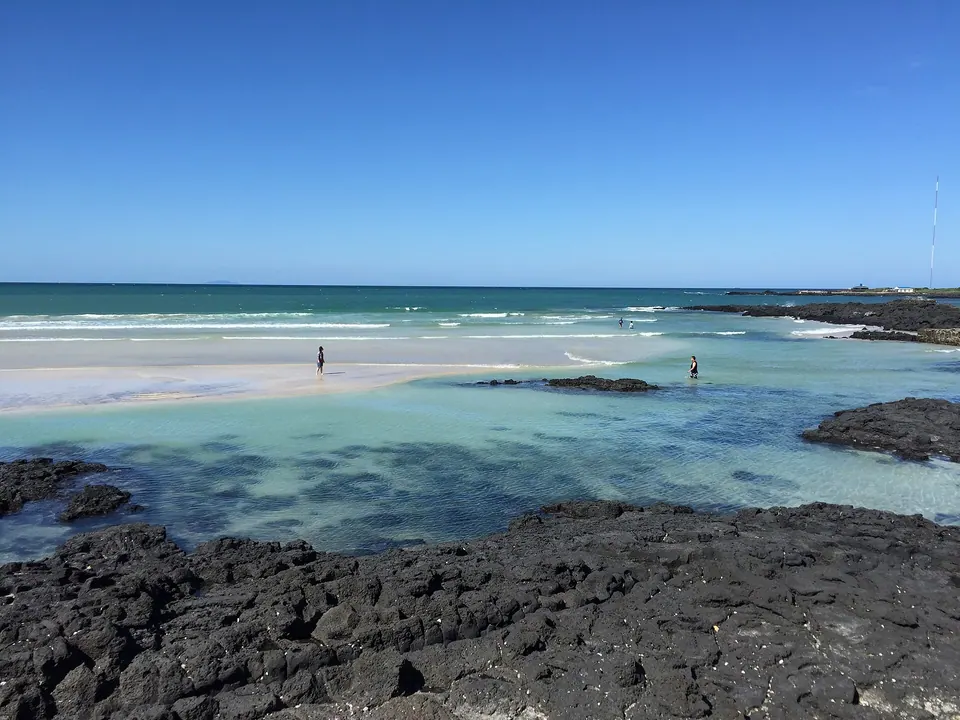
After the shaded forest, continue to Sehwa Beach for Gujwa’s open sea and village scenery.
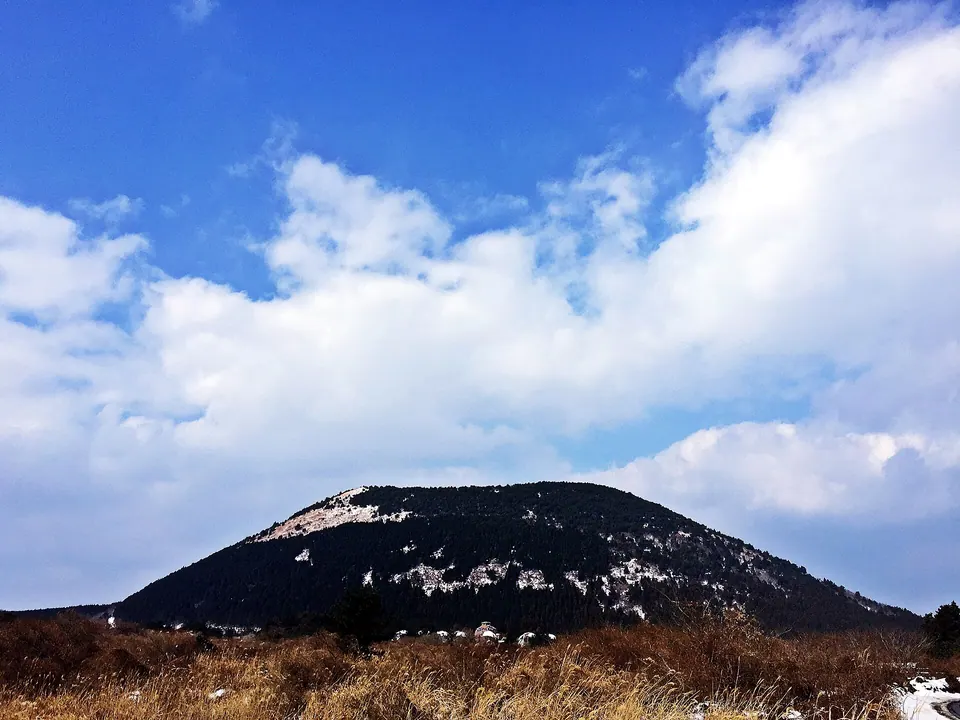
Visitor guide →If you have enough energy, consider a separate visit to Darangswi Oreum to compare its deep crater and elevated views with the forest.
Visitor guide →Bijarim is home to naturally growing nutmeg trees aged 500–800 years, with large trunks of varied thicknesses and shapes. Think of it as a forest where maples, Machilus trees and warm-temperate plants grow together, rather than a garden containing only nutmeg trees. Look at the tree names, trunks and the plants growing beneath them.
Official information describes Route A as about 2.2km, taking 40 minutes to 1 hour, while Route B includes somewhat rough stone paths. For the whole visit, allow 1–1.5 hours including photos and breaks as an editorial estimate. The routes divide at a crossroads in the forest, so check the entrance map first and choose according to your companions’ energy and return time.
Official information recommends Route A for visitors with strollers or wheelchairs and for pregnant visitors, while noting that help from a companion may be needed on some slopes. Access information is not a guarantee that every section is completely level. You can focus on the New Millennium nutmeg tree and joined trees without adding Route B’s stone paths.
Confirm the visitor entrance to Bijarim Forest as your destination. Bijarim-ro is also a road name, so a search for the road does not necessarily lead to the forest ticket office. If using buses, check your stop, the walk to the entrance and the frequency of services to your next destination. Plan the return journey to avoid long waits in the uplands.