A living traditional village
Understand thatched houses and stone walls alongside residents’ lives today.
East · Culture and history
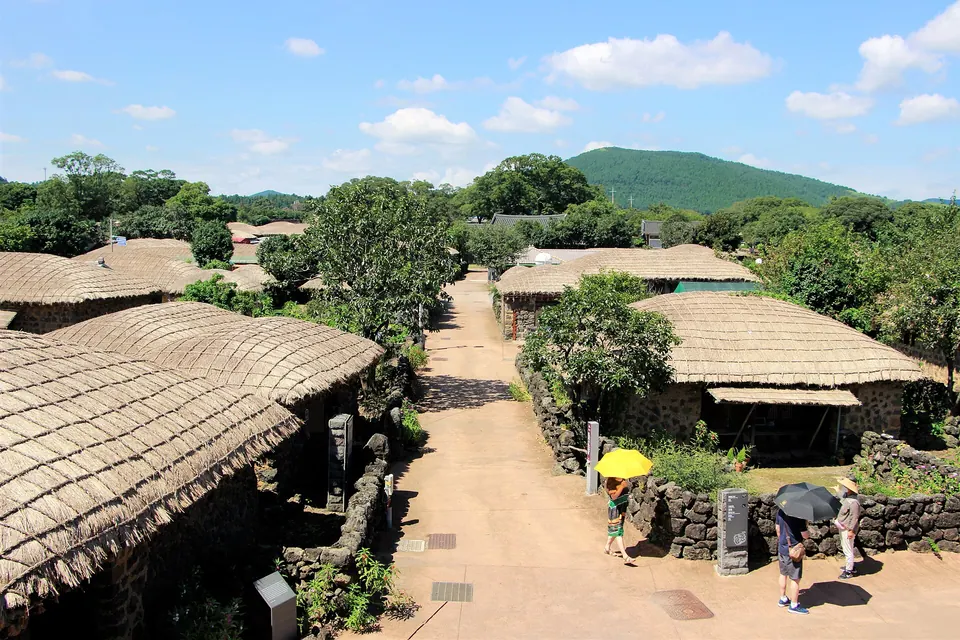
Seongeup Folk Village is an upland community in Pyoseon where residents still live among thatched houses, stone walls and traditional homes. Learn through interpretation about its role as the Joseon-era center of Jeongui-hyeon, then walk slowly while distinguishing public viewing areas from residents’ living spaces.
Travel planning at a glance
Seongeup Folk Village is an inhabited traditional village with thatched houses, stone walls and heritage from the former Jeongui-hyeon. The suggested 1–2 hours is an editorial estimate. Check separate applications and schedules for free interpretation and traditional activities. Do not enter private homes or closed courtyards without permission.
Seongeup Village
Operating and access information is based on the official sources below. Recommended routes and visit durations are editorial suggestions. Check each place's description to see whether waiting, meals and similar time are included, and allow separate time for travel between places.
VisitJeju · Seongeup Folk Village ↗ · Checked
Jeju Special Self-Governing Province: Seongeup Folk Village guide ↗ · Checked
Seongeup Folk Village is a traditional village where people actually live. Beyond thatched houses and stone walls, its homes, lanes and history coexist with everyday life today. Observe building materials and house layouts along the paths without treating their exteriors as tourist sets.
The site remained an administrative center for many years after the Jeongui-hyeon office moved here during the Joseon period. Heritage includes Jeonguihyanggyo Confucian School, Ilgwanheon and traditional houses. Old zelkova and hackberry trees alongside village paths help reveal traces of the administrative center and community spaces. Comparing it with Jejumok Gwana offers different perspectives on Jeju’s regional administration and housing.
Understand thatched houses and stone walls alongside residents’ lives today.
Connect the Confucian school, former offices and old trees with village history.
VisitJeju · Seongeup Folk Village ↗ · Checked
Jeju Special Self-Governing Province: Seongeup Folk Village guide ↗ · Checked
Allow 1–2 hours as an editorial estimate for village walks and major heritage sites. Free cultural interpretation is an option for understanding local history and how the houses were used; official information describes on-site and telephone reservations. Check sessions, lunch breaks and meeting points for your visit date. If joining an approximately 1-hour interpretation session, plan that time first.
Traditional activities involving folk songs, omegi liquor or gosori liquor are not automatically included in a general village walk or interpretation. Even when official information lists seasonal or weekly schedules, check current recruitment, eligibility, reservations and fees with the operator. Our suggested order is to confirm participation conditions first, then add the village walk around the activity.
VisitJeju · Seongeup Folk Village ↗ · Checked
Jeju Special Self-Governing Province: Seongeup Folk Village guide ↗ · Checked
Do not enter inhabited homes or closed courtyards without permission. Follow open viewing areas and on-site guidance. Avoid close-up photographs of residents and their daily lives or using interpretation as a reason to request entry into private spaces. In heritage areas, do not lean on or climb thatched houses and stone walls.
With children, choose a few visible details to observe, such as thatching materials and the roles of stone walls and jeongnang gate poles. Watch for vehicles and everyday traffic in the lanes, and keep walks short at your companions’ pace. Rain wets the outdoor village paths and does not mean every traditional activity moves indoors; check venues and weather-related changes separately.
VisitJeju · Seongeup Folk Village ↗ · Checked
Use Seongeup Folk Village’s tourist information and interpretation meeting area for directions. Jeju Folk Village is a separate attraction nearer the Pyoseon coast; do not assume the similar names refer to one place. Use designated parking. For buses, plan the walk from the stop to the information office and onward connections toward Pyoseon.
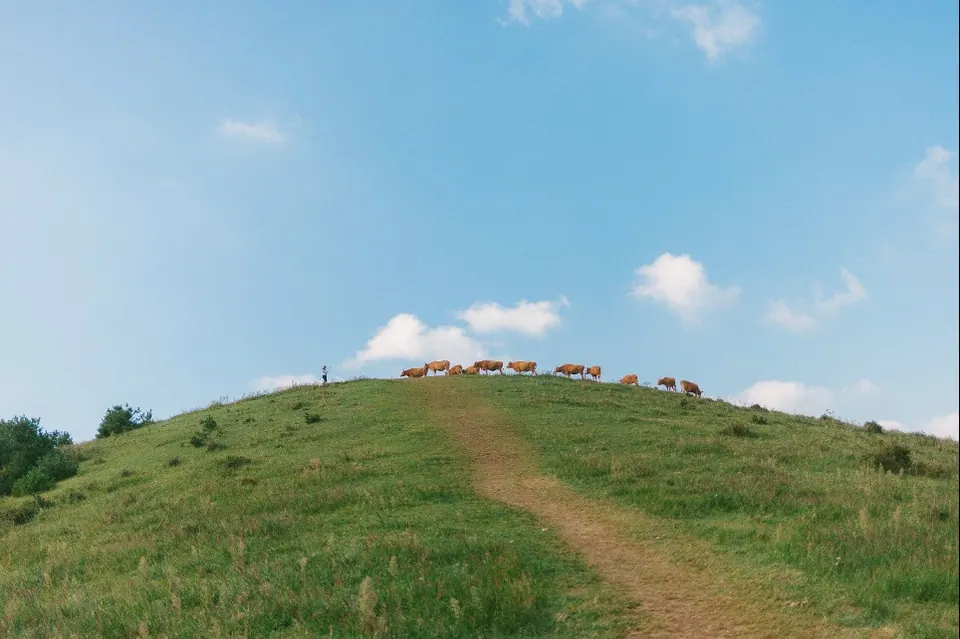
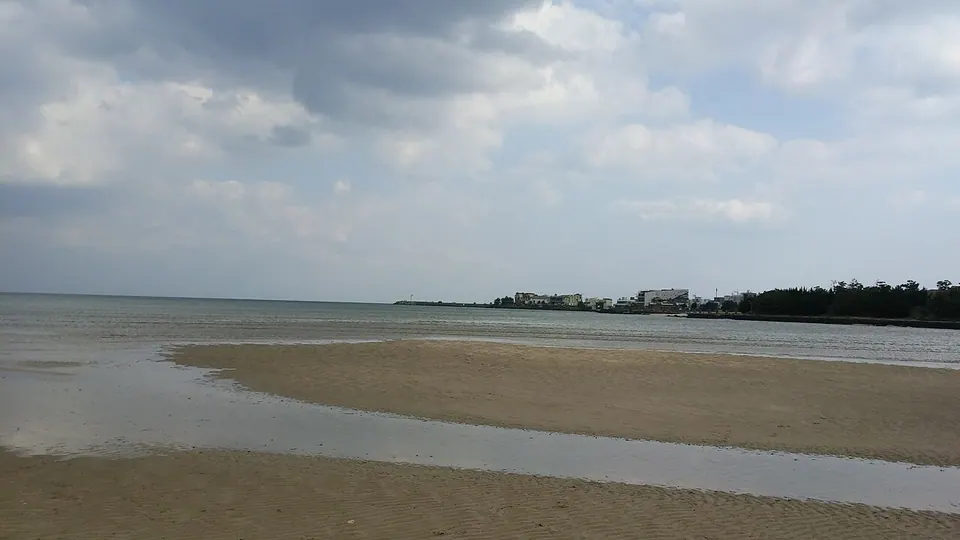
Baekyaki Oreum adds eastern upland views after the traditional village, but check restrictions on part of its highest summit. Pyoseon Beach offers a different option for resting by the coast. If more interested in reconstructed traditional-life exhibitions, compare Jeju Folk Village’s admission and activity conditions as a separate itinerary.
Visitor location · 제주특별자치도 서귀포시 표선면 서성일로 20
VisitJeju · Seongeup Folk Village ↗ · Checked
Baekyaki Oreum adds eastern upland views after a cultural walk in Seongeup; check its partial summit restrictions first.
Visitor guide →Pyoseon Beach offers a different outing, resting beside the sand and sea after the traditional village.
Visitor guide →Seongeup Folk Village is a traditional village where people actually live. Beyond thatched houses and stone walls, its homes, lanes and history coexist with everyday life today. Observe building materials and house layouts along the paths without treating their exteriors as tourist sets.
Allow 1–2 hours as an editorial estimate for village walks and major heritage sites. Free cultural interpretation is an option for understanding local history and how the houses were used; official information describes on-site and telephone reservations. Check sessions, lunch breaks and meeting points for your visit date. If joining an approximately 1-hour interpretation session, plan that time first.
Traditional activities involving folk songs, omegi liquor or gosori liquor are not automatically included in a general village walk or interpretation. Even when official information lists seasonal or weekly schedules, check current recruitment, eligibility, reservations and fees with the operator. Our suggested order is to confirm participation conditions first, then add the village walk around the activity.
Use Seongeup Folk Village’s tourist information and interpretation meeting area for directions. Jeju Folk Village is a separate attraction nearer the Pyoseon coast; do not assume the similar names refer to one place. Use designated parking. For buses, plan the walk from the stop to the information office and onward connections toward Pyoseon.