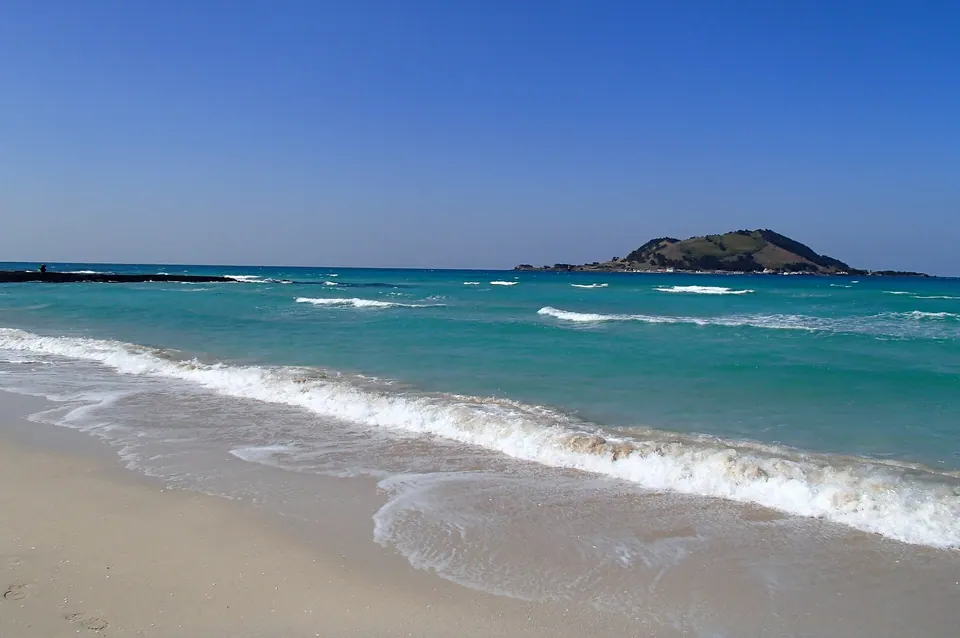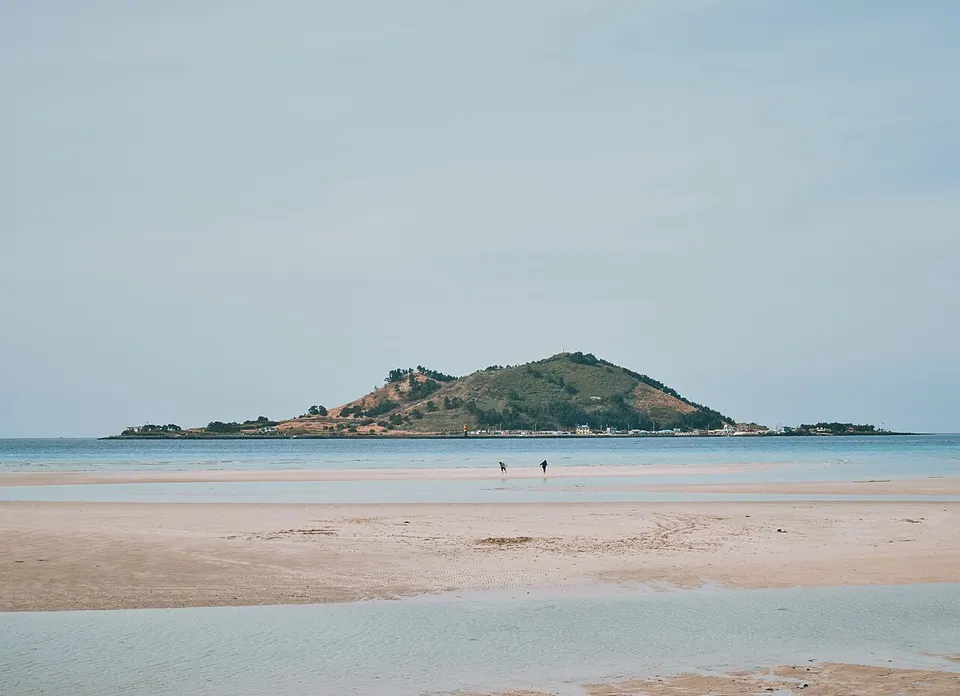
Geumneung Beach
An option for a nearby Hallim coastal walk after viewing Jeju daily-life sculptures.
Visitor guide →West · Gardens and botanical gardens
Geumneung Stone Park in Hallim is an outdoor park displaying dol hareubang and stone sculptures of Jeju life. Combine a beach visit with works depicting haenyeo divers, water jars and child attendant figures, telling the stories of Jeju's people in stone.
Travel planning at a glance
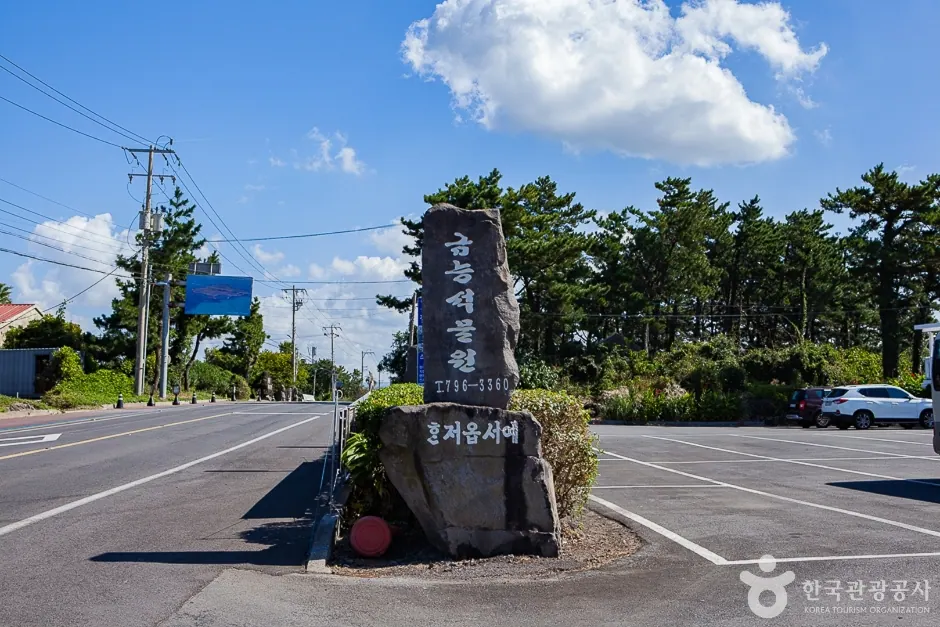
Geumneung Stone Park is a sculpture park at 한림읍 한림로 176, created by master artisan Jang Gong-ik. See dol hareubang, haenyeo figures and scenes of daily life. Allow 45 minutes–1 hour as an editorial reference, using only permitted cave and religious areas.
Operating and access information is based on the official sources below. Recommended routes and visit durations are editorial suggestions. Check each place's description to see whether waiting, meals and similar time are included, and allow separate time for travel between places.
Geumneung Stone Park · Jeju Tourism Organization introduction ↗ · Checked
Geumneung Stone Park · Introduction from 한국관광공사 ↗ · Checked
Geumneung Stone Park presents scenes of Jeju life carved by master artisan Jang Gong-ik, known for making dol hareubang. Alongside stone grandfather figures, observe haenyeo, child figures and mothers carrying water jars while caring for children, with varied expressions and everyday gestures.
Even similar dol hareubang differ in posture, faces and surrounding placement. The park also introduces Jeju legends, folklore and Buddhist stone figures. Look for the life and stories represented rather than using stone only as a photo backdrop.
Geumneung Stone Park · Jeju Tourism Organization introduction ↗ · Checked
Geumneung Stone Park · Introduction from 한국관광공사 ↗ · Checked
Our editorial suggestion is 45 minutes–1 hour for sculpture and garden walks. First check the whole route, then linger at daily-life sculptures and dol hareubang that interest you to reduce repeated movement. Check current admission and parking charges with on-site or operator information.
The official description also mentions Jeongnyeo Cave, Jorong Cave and Buddhist worship spaces. Even for cave visits, check permitted areas, weather and facility conditions; do not enter every interior freely. After rain, assess outdoor stone paths and steps and shorten the route if needed.
Geumneung Stone Park · Jeju Tourism Organization introduction ↗ · Checked
Geumneung Stone Park · Introduction from 한국관광공사 ↗ · Checked
Invite children to find people and objects such as haenyeo and water jars in the sculptures. Photos and stories can connect them with Jeju daily life not easily seen at the beach. Do not climb sculptures or move artworks as photography props.
With parents, walk slowly between sculpture groups and garden paths. Respect visiting and photography etiquette in religious spaces and around people praying. If mobility support is needed, ask at the entrance about usable stone paths and steps.
Geumneung Stone Park · Introduction from 한국관광공사 ↗ · Checked
Geumneung Stone Park · Jeju Tourism Organization introduction ↗ · Checked
Navigate to Geumneung Stone Park at 한림읍 한림로 176. Its name resembles Geumneung Beach, but the beach entrance and sculpture park are different places; confirm the address. Calculate car or bus travel and the entrance walk separately.
Choose Geumneung or Hyeopjae Beach next. After daily-life culture in stone, sea views toward Biyangdo offer another Hallim landscape. For sunset, finish the park first and leave time to reach the coast.
Visitor location · 제주특별자치도 제주시 한림읍 한림로 176
Location reference ↗Geumneung Stone Park · Jeju Tourism Organization introduction ↗ · Checked
Geumneung Stone Park · Introduction from 한국관광공사 ↗ · Checked
An option for a nearby Hallim coastal walk after viewing Jeju daily-life sculptures.
Visitor guide →Combine stone-park culture with Hyeopjae views toward Biyangdo.
Visitor guide →See stone sculptures expressing Jeju life, legends and folklore, including dol hareubang, haenyeo, child figures and mothers carrying water jars.
They are separate. The stone park is an outdoor sculpture park at 한림읍 한림로 176; the beach is on the coast.
Allow 45 minutes–1 hour for slow sculpture and garden viewing. This editorial estimate varies with photography and areas actually open.
The official description mentions caves and Buddhist worship areas, but follow current access limits and facility guidance. Respect religious activities and photography etiquette too.